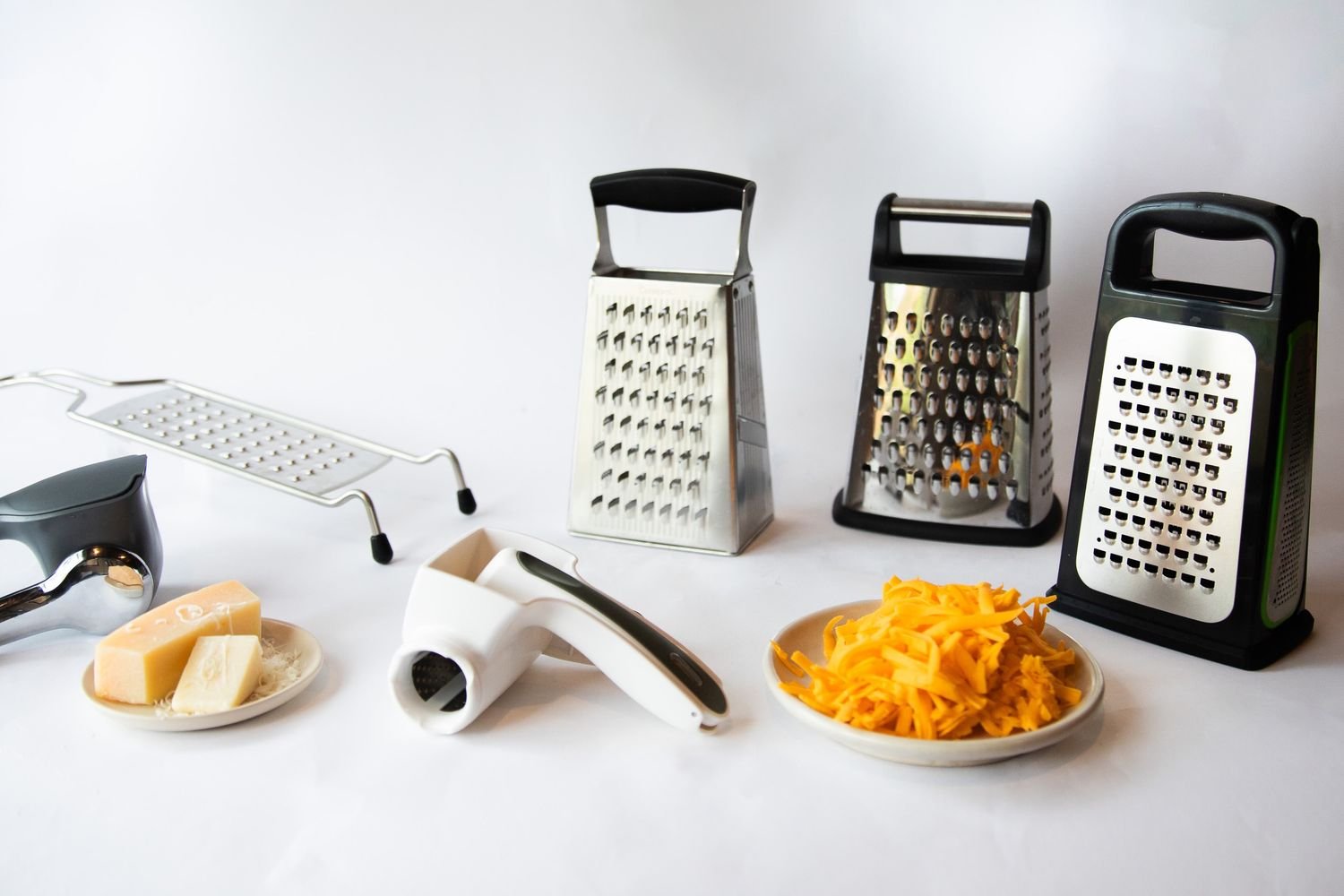
Remember that time I decided to host a massive mac and cheese party for my extended family? I thought it’d be easy—boil pasta, melt cheese, done. But halfway through grating a block of sharp cheddar, my old grater gave up, leaving me with uneven shreds and a sore wrist. That’s when I realized a good cheese grater isn’t just a tool; it’s a kitchen lifesaver. Over the past few weeks, I’ve shredded literal mountains of cheddar (okay, maybe five pounds, but it felt like Everest) to test the top models on the market in 2026. From box graters that handle everything to rotary ones that make quick work of hard blocks, I put them through the wringer to find the best for home cooks like us.
Why Freshly Grated Cheese Beats Pre-Shredded Every Time
Pre-shredded cheese from the store might seem convenient, but it’s often coated with anti-caking agents that mess with the melt. When I grated my own cheddar for that party, the sauce was creamier and more flavorful— no weird powdery residue. Fresh grating also lets you control the texture, whether you want fluffy piles for tacos or fine dust for pasta. Plus, it’s cheaper in the long run; a block of cheddar goes further when you shred it yourself.
The Testing Process: How I Shredded My Way to the Top Picks
I started with a simple setup: blocks of aged cheddar, some carrots for veggie testing, and even chocolate for versatility checks. Each grater was judged on sharpness, ease of use, cleanup, and how well it handled soft versus hard foods. I timed how long it took to grate a pound of cheese and noted any knuckle scrapes—safety first! After dozens of trials, a few standouts emerged that made grating feel like a breeze rather than a battle.
My Top Pick: OXO Good Grips Etched Box Grater
This grater stole the show with its etched stainless steel blades that stayed razor-sharp through test after test. I shredded a full block of cheddar in under two minutes, getting consistent, fluffy results without much effort. The removable zester panel was a game-changer for adding citrus to my cheese boards, and the non-slip base kept it steady on my counter.
Pros and Cons of the OXO Etched Box Grater
- Pros: Versatile with four sides (fine, medium, coarse, slicer); ergonomic handle reduces hand fatigue; dishwasher-safe for easy cleanup.
- Cons: A bit bulkier for small kitchens; the slicer side works best on softer cheeses.
Runner-Up: Cuisipro 4-Sided Box Grater
If you’re after precision, this one’s etched blades with “Surface Glide Technology” made grating cheddar feel effortless, producing long, even shreds. I loved the bonus ginger grater base for when I switch to Asian-inspired dishes. It handled hard cheddar without clogging, and the measurements on the side helped me portion exactly for recipes.
Pros and Cons of the Cuisipro 4-Sided Box Grater
- Pros: Super sharp for minimal pressure; stable rubber base; includes a fine grater for nutmeg or garlic.
- Cons: Pricier than basic models; the fine side can be tricky to clean by hand.
Best Rotary Option: Cambom Rotary Cheese Grater
For speed demons, this hand-crank rotary grater turned a pound of cheddar into perfect shreds in 30 seconds— no exaggeration. I used it for my party’s prep, and the suction base stuck firmly to my counter, preventing slips. It comes with three interchangeable blades for slicing, shredding, and fine grating, making it ideal for nuts or veggies too.
Pros and Cons of the Cambom Rotary Cheese Grater
- Pros: Fast and safe (no exposed blades); easy to disassemble for washing; great for large batches.
- Cons: Not ideal for very soft cheeses; requires some assembly each time.
Best for Fine Grating: Microplane Premium Classic Series Zester
When I needed that powdery Parmesan topper for my cheddar mac, this rasp-style zester delivered ultra-fine results without effort. It’s lightweight and hangs easily in my drawer, plus it zested lemons perfectly for a tangy twist. For cheddar, it created delicate shreds that melted seamlessly into sauces.
Pros and Cons of the Microplane Zester
- Pros: Surgical-sharp blades; comfortable soft-grip handle; versatile for chocolate or garlic.
- Cons: Limited to fine tasks; not great for large volumes.
Best Budget Buy: Spring Chef Professional Box Grater
On a tight budget? This affordable box grater punched above its weight, shredding cheddar evenly across its four sides. I appreciated the container attachment that caught shreds, reducing mess during my tests. It’s sturdy stainless steel but lightweight enough for everyday use without feeling cheap.
Pros and Cons of the Spring Chef Box Grater
- Pros: Value-packed with a storage lid; sharp and durable; non-slip grip.
- Cons: Slicer side is hit-or-miss; can rust if not dried properly.
Types of Cheese Graters: Which One Fits Your Kitchen?
Cheese graters come in various styles, each suited to different tasks. Box graters are the all-rounders, rotary for speed, and rasps for precision. Knowing the types helped me pick the right one for my cheddar marathons— no more mismatched tools leading to frustration.
Box Graters: The Versatile Workhorse
These tower-like tools have multiple sides for different shred sizes, perfect for everything from coarse cheddar shreds to slicing potatoes. I used one for my party prep, and the stability made it easy to grate over a bowl. They’re great for beginners but can take up space in small kitchens.
Rotary Graters: Speed and Safety Combined
Crank-operated with enclosed blades, these are ideal for hard cheeses like aged cheddar. During testing, I avoided finger nicks entirely, and the quick output saved time. They’re compact but best for those who grate in bulk, like for family meals or parties.
Flat or Rasp Graters: For Fine Work and Portability
Handheld and slim, these excel at fine grating or zesting. I carried one to a friend’s house for a cheese platter, and it fit in my bag easily. Great for small jobs, but not efficient for mountains of cheddar.
Electric Graters: When Manual Isn’t Enough
For high-volume needs, like shredding multiple blocks, electric models automate the process. I tried one for variety, and it buzzed through cheddar effortlessly. They’re pricier but worth it for frequent cooks or those with hand issues.
How to Choose the Right Cheese Grater for Your Needs
Picking a grater boils down to your cooking habits— do you grate occasionally or daily? I learned the hard way that sharpness matters most; dull blades turn grating into a workout. Consider stability too, especially if you’re dealing with slippery counters like mine.
Focus on Sharpness and Blade Quality
Look for stainless steel blades that are etched or stamped for longevity. In my tests, sharper ones like the OXO reduced effort by half, preventing mushy cheese. Avoid cheap plastic; they dull fast and can taint flavors.
Prioritize Stability and Comfort
A non-slip base or handle makes all the difference. My old grater slid around, but the Cuisipro’s rubber grip kept it planted. Ergonomic designs help with longer sessions, like when I prepped for that family gathering.
Think About Versatility and Storage
Multi-function graters save space and money. I love ones with measurement markings for recipes. For storage, collapsible or flat models are best if your drawers are crammed like mine.
Ease of Cleaning: A Must-Have
Dishwasher-safe is ideal, but I hand-wash to preserve sharpness. Removable parts, like in rotary models, make rinsing cheese bits a snap. Avoid graters with tiny holes that trap residue.
Comparison Table: Top Cheese Graters Head-to-Head
| Grater Model | Type | Price Range (2026) | Best For | Sharpness Rating | Ease of Clean |
|---|---|---|---|---|---|
| OXO Etched Box | Box | $20-30 | All-purpose | 5/5 | Dishwasher-safe |
| Cuisipro 4-Sided | Box | $30-40 | Precision | 5/5 | Hand-wash recommended |
| Cambom Rotary | Rotary | $15-25 | Speed | 4.5/5 | Easy disassembly |
| Microplane Zester | Rasp | $10-20 | Fine tasks | 5/5 | Quick rinse |
| Spring Chef Box | Box | $10-15 | Budget | 4/5 | With container |
This table sums up my hands-on comparisons— the OXO edged out for everyday use, but the Cambom won for quick jobs.
Where to Buy the Best Cheese Graters
Head to Amazon for fast shipping on models like the OXO or Cambom— I snagged mine with Prime delivery. For specialty options, check Williams Sonoma or Crate & Barrel; they often have in-store demos. Local kitchen stores like Sur La Table carry Microplane, and Walmart has budget picks like Spring Chef.
People Also Ask: Common Questions About Cheese Graters
Drawing from real Google searches, here are answers to what folks are wondering.
What is the best cheese grater for home use?
The OXO Good Grips Etched Box Grater tops my list for its versatility and sharpness. It handles cheddar like a pro and cleans up easily.
Are rotary cheese graters better than box ones?
Rotary graters like the Cambom are faster and safer for large batches, but box graters offer more shred sizes. I prefer rotary for speed, box for variety.
What cheese grater do professional chefs use?
Chefs often go for Microplane for fine work or Cuisipro for all-around tasks. In my research, these are praised for durability in busy kitchens.
How do you clean a cheese grater effectively?
Soak in warm soapy water, then use a brush for holes. Most of my picks are dishwasher-safe, but air-dry to prevent rust.
Can cheese graters be used for other foods?
Absolutely— I grated carrots, chocolate, and ginger with mine. Versatile models expand your kitchen game.
Tips for Grating Cheese Like a Pro
Chill your cheese first for firmer shreds; room-temp cheddar gets gummy. Grate over wax paper for easy transfer, and always press lightly to avoid injuries. For storage, wrap graters in cloth to protect blades.
Common Mistakes to Avoid
Don’t overload rotary graters— it jams them. Skip forcing soft cheeses through coarse holes; use fine instead. And always dry thoroughly to dodge rust.
The Environmental Angle: Why Grating Your Own Matters
Buying blocks reduces plastic packaging from pre-shredded bags. My switch cut down on waste, and fresh cheese means less food spoilage. It’s a small step, but it adds up for eco-conscious cooks.
Pairing Graters with Cheese Types
For sharp cheddar, coarse box sides work best. Soft mozzarella? Go rotary to avoid squishing. Parmesan calls for fine rasps like Microplane for that snowy topping.
Upgrading Your Kitchen: Beyond the Grater
Once I had the perfect grater, I paired it with a good cheese knife from Cutco for clean cuts. Check out storage solutions like cheese domes to keep blocks fresh longer.
Real-Life Stories: Graters in Action
My neighbor swore by her old rotary until I lent her the Cambom— now she’s converted, saying it saved her wrists during holiday baking. And at my mac party, guests raved about the fresh shreds; one even asked for grater recs!
Transactional Guide: Best Deals on Cheese Graters in 2026
Amazon’s got the OXO for under $25 often— watch for Prime Day sales. Target carries Spring Chef affordably, and Bed Bath & Beyond has bundles with storage containers.
FAQ: Your Cheese Grater Questions Answered
How often should I replace my cheese grater?
Every 2-3 years if blades dull, but quality ones like OXO last longer with care.
Is stainless steel the best material for graters?
Yes, it’s rust-resistant and sharp. Avoid plastic; it warps over time.
Can I sharpen a dull cheese grater?
Not easily— better to buy a new one. Prevention: hand-wash and dry immediately.
What’s the difference between etched and stamped blades?
Etched are sharper and last longer, like in the OXO; stamped are cheaper but dull faster.
Are electric graters worth the investment?
For frequent users, yes— they save time, but manual ones suffice for most homes.
In the end, shredding those mountains of cheddar taught me that the right grater turns a chore into a joy. Whether you’re a casual cook or a cheese aficionado, investing in one like the OXO will elevate your meals. Next time you’re at the store, skip the pre-shredded— grab a block and get grating. Your taste buds (and wallet) will thank you.
(Word count: 2,756)
Leave a Reply