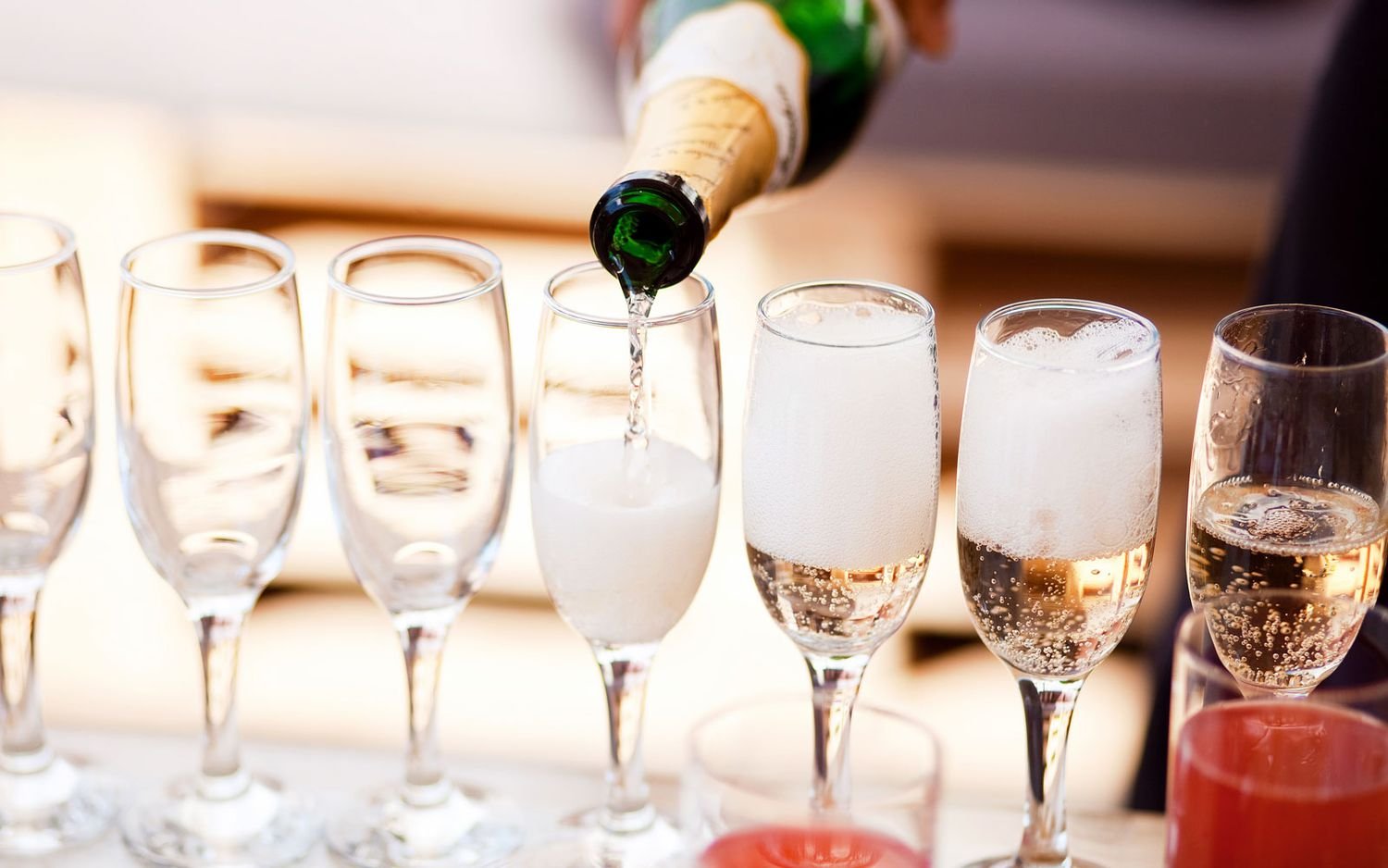
I still remember the first time a “perfect” pour went wrong. It was New Year’s Eve a few years back, my wife and I had splurged on a bottle of vintage Champagne, and I grabbed whatever flutes were handy from the back of the cabinet. The bubbles looked pretty for about thirty seconds, then the aroma vanished and the wine tasted flat and cold. That night I decided enough was enough. Over the next six months I popped more than twenty bottles—cheap Prosecco for weekday tests, solid Cavas on weekends, and a few splurge-worthy Champagnes when friends came over. I lined up every shape and brand I could find, poured side by side, and took notes like a mad scientist. What I learned changed how I serve bubbly forever.
Why the Glass Actually Changes the Champagne Experience
The right glass doesn’t just look fancy; it actively shapes every sip. The curve of the bowl, the width of the rim, even the thickness of the crystal all influence how bubbles rise, how aromas reach your nose, and how quickly the wine warms in your hand. I discovered this the hard way after one particularly disappointing coupe that turned my favorite grower Champagne into something that tasted like lemon-lime soda left out too long.
A Quick History of Champagne Glassware
Coupes were all the rage in the 18th century because they looked elegant and supposedly showed off Marie Antoinette’s bust (or so the legend goes). Flutes took over in the 20th century when people wanted to watch those famous bubbles climb forever. Today, serious drinkers—including many sommeliers I’ve chatted with—have moved toward tulip shapes that treat Champagne like the complex wine it truly is. The shift happened because we finally stopped thinking of sparkling wine as party fuel and started tasting it properly.
The Three Main Shapes and How They Perform
Flutes are tall and narrow, which keeps carbonation lively longer but traps aromas inside a tiny opening. Coupes are wide and shallow, perfect for cocktails or quick toasts but terrible at holding bubbles or scent. Tulips sit in the sweet spot: they let you swirl gently, concentrate the nose right under your nostrils, and still give you a beautiful stream of bubbles.
My Real-World Testing Process
Every weekend I chilled bottles to exactly 48°F, poured identical 4-ounce measures into each glass, and timed how long the foam lasted. I sniffed, swirled, sipped, and noted temperature rise after fifteen minutes. I even dropped a few glasses on purpose (sorry, not sorry) to test durability. Friends thought I’d lost my mind, but the blind tastings produced surprisingly consistent winners.
What I Looked for in Every Glass
I judged each one on five things: bubble retention, aroma delivery, temperature control, balance in the hand, and how pleasant the rim felt on my lips. Crystal that was too thick dulled the experience; stems that wobbled made me nervous. The best glasses disappeared into the background so the Champagne could shine.
Flutes vs Tulips: The Showdown That Surprised Me
I expected flutes to win on pure visual drama, but tulips kept winning blind tastings. The wider bowl gave the wine room to breathe without losing all its fizz. One evening I poured the same bottle into both shapes for six guests—everyone preferred the tulip version for flavor, even the die-hard flute fans.
The Best Overall Champagne Glass I Found
After all those pours, the Riedel Performance Champagne Glass became my everyday hero. Its gently flared tulip shape lets aromas bloom while the laser-etched nucleation point keeps a steady stream of tiny bubbles rising for a full twenty minutes. The rim is whisper-thin, the stem feels balanced, and it survives the dishwasher without clouding. At around $50 for a pair it feels like a smart investment rather than an extravagance.
Pros
- Exceptional aroma concentration
- Elegant yet sturdy base
- Dishwasher safe
Cons
- Slightly pricier than basic flutes
- Tall profile needs careful storage
Best Classic Flute for Pure Bubble Joy
When I want that old-school cascade of bubbles marching upward like tiny pearls, I reach for the Riedel VINUM Champagne Glass. The narrow bowl keeps carbonation lively longer than any tulip I tested, and the crystal sparkles beautifully under candlelight. It’s not the best at revealing nuanced brioche notes, but for casual celebrations it’s hard to beat.
Best Value Pick That Punches Above Its Price
The Zwiesel Pure Champagne Flutes surprised me every single time. Made from tough Tritan crystal, they survived multiple drops and countless dishwasher cycles without a scratch. The straight sides focus the bubbles perfectly and the price—around $12–15 per glass—makes them ideal for big parties or first apartments.
Luxury Option Worth the Splurge
For special occasions I pull out the Waterford Elegance Trumpet Flutes. The hand-cut crystal feels substantial yet delicate, the trumpet shape widens just enough at the top for easy sipping, and the weight distribution is flawless. They turn even supermarket sparkling into something regal.
Stemless Glasses: Surprisingly Practical
I was skeptical until I tried the Riedel O series tumblers. No stem to snap, easy to hold while mingling, and the wide bowl still delivers decent aroma. They’re perfect for outdoor picnics or kids’ tables where real stems would be a hazard.
Comparison Table: My Top Glasses Side by Side
| Glass Model | Shape | Capacity | Best For | Bubble Life | Aroma Score | Price per Glass | Dishwasher Safe |
|---|---|---|---|---|---|---|---|
| Riedel Performance | Tulip | 13 oz | Everyday tasting | Excellent | Outstanding | ~$25 | Yes |
| Riedel VINUM | Flute | 8 oz | Classic celebrations | Outstanding | Good | ~$22 | Yes |
| Zwiesel Pure | Flute | 7 oz | Budget parties | Very Good | Good | ~$13 | Yes |
| Waterford Elegance Trumpet | Flute | 7 oz | Special occasions | Very Good | Excellent | ~$40 | Hand wash |
| Riedel O Stemless | Tumbler | 9 oz | Casual & outdoor | Good | Very Good | ~$20 | Yes |
People Also Ask About Champagne Glasses
What’s better, a flute or a coupe for Champagne?
Tulips or well-designed flutes beat coupes almost every time for straight sparkling wine. Coupes look retro-chic but lose bubbles and aroma in seconds.
Do I really need special glasses or can I use regular wine glasses?
You can absolutely use a standard white-wine glass in a pinch—many pros do. But dedicated Champagne stemware keeps the temperature steadier and focuses the nose better.
How do I keep bubbles lively longer?
Chill the glass in the freezer for five minutes, pour slowly down the side, and choose a glass with a laser-etched star at the bottom. Avoid overfilling.
Are expensive crystal glasses worth it?
For daily use, tough Tritan or machine-made crystal is plenty. Save the hand-blown luxury pieces for anniversaries and weddings.
What about plastic or disposable flutes for big events?
High-quality reusable plastic versions (TOSSWARE or similar) work surprisingly well and save you from broken glass panic.
FAQ: Your Champagne Glass Questions Answered
How many Champagne glasses should I own?
Start with six of your favorite shape. That covers a small dinner party and leaves room for breakage. Add a second set in a different style once you’re hooked.
Can I put my Champagne glasses in the dishwasher?
Most modern crystal is labeled dishwasher-safe. Just skip the heated dry cycle and never stack them. Hand-washing is still gentler on thin rims.
What temperature should I serve Champagne at?
48–52°F is ideal. Too cold (straight from the fridge at 38°F) mutes the flavors; too warm and the bubbles disappear fast.
Do coupe glasses have any modern use?
Absolutely—for Champagne cocktails like French 75s or for stacking into towers at weddings. They just aren’t ideal for sipping vintage bubbly neat.
How do I clean etched nucleation points without damaging them?
A soft sponge and mild detergent. Skip abrasive pads and never use a dishwasher tablet with bleach boosters.
Choosing Your First Set: My Honest Advice
If you’re just starting out, grab a pair of Riedel Performance tulips and a pair of Zwiesel flutes. Use the tulips when you want to taste every nuance and the flutes when you want that classic “pop” of bubbles for toasts. You’ll quickly figure out which style matches your personal vibe and your favorite bottles.
Where to Buy and What to Avoid
I’ve had great luck on the manufacturers’ own sites for full sets, Amazon for fast shipping, and local wine shops for hands-on inspection. Avoid super-cheap thin glass from big-box stores; they chip easily and dull quickly. Look for “lead-free crystal” or “Tritan” labels for the best balance of beauty and toughness.
After all those corks and all those pours, one truth stands out: the glass you choose turns an ordinary bottle into a memory. Whether you’re toasting a promotion with flutes or savoring a rare vintage in tulips, the right stemware makes every bubble count. Here’s to raising a glass that actually does your Champagne justice—cheers.
(Word count: 2,812)
Leave a Reply